
Podcast: Play in new window | Download
Subscribe: RSS
Most duck hunters feel like waterfowl hunting has gotten more difficult in recent years. Some complain of a lack of access while others gripe about overcrowded WMA’s and other public water bodies being chalk full of other hunters. Couple that with a multi-year drop in duck numbers and it’s not hard to see why most hunters think killing ducks is harder than it’s ever been. On today’s episode I sit down with Tennessee Tech Associate Professor of Biology and waterfowl researcher Dr. Bradley Cohen. We discuss some recent research his team (as well as some trusted peers in the field) conducted on how hunting pressure affects the way ducks move on a landscape. Highlights from a very interesting conversation include:
- Growing up hunting in New York
- Climate’s impact on waterfowl survey results
- If we get rain, will the ducks rebound?
- Duck farming and how it changes (or doesn’t) how ducks congregate on the ice line
- Gadwalls and their low brow diet
- Widgeon and ringnecks – forever intertwined
- How ducks use refuges closed to hunting
- What happens when ducks are pushed off a refuge by boat traffic?
- How ducks react when they see a human vs hearing a shotgun blast
- Measuring the impact of shotgun blasts with modern technology
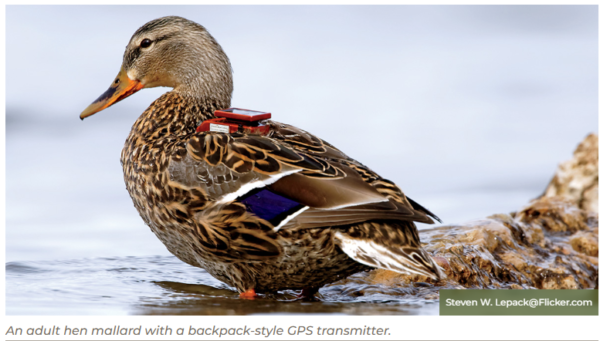
- Radio backpacks on migrating mallards
- Are ducks really feeding more at night to avoid hunting pressure?
- The right ratio of food vs habitat


Leave A Comment